
 Čeština
 Deutsch
 Slovenčina
 Polski
 Magyar
My Fair Lady at 70: From a Cockney Flower Girl to a Musical Legend
Oya Canli celebrates 70 years of My Fair Lady and reflects on Eliza Doolittle’s voice, its legendary stars and its enduring music.
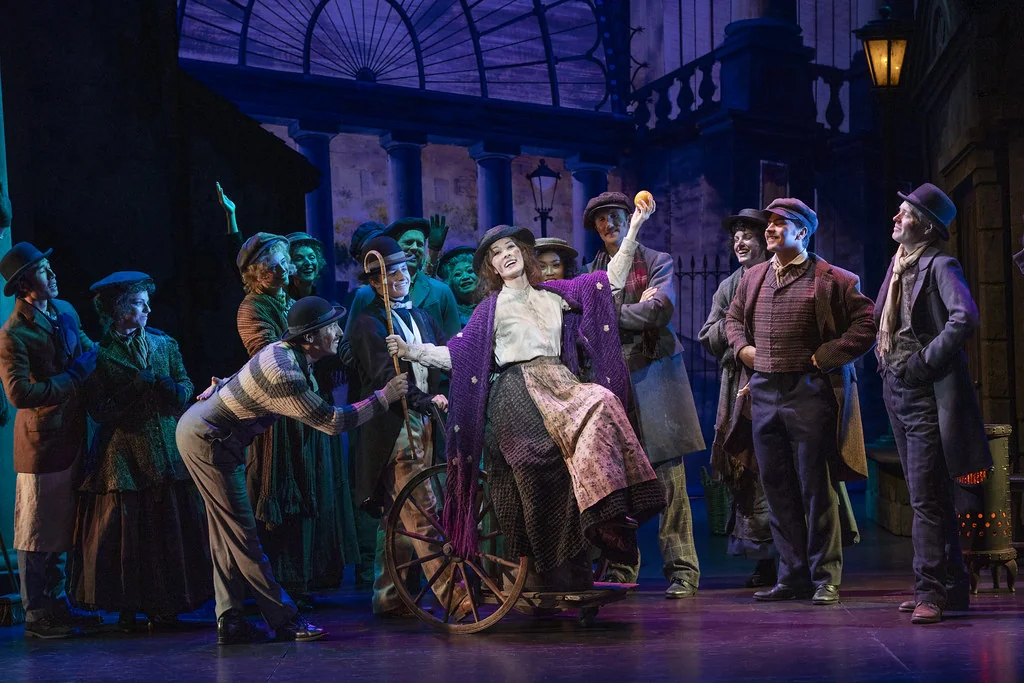
Seventy years after a Cockney flower seller first stepped onto Broadway, My Fair Lady remains one of musical theatre’s most beloved classics.
The beautiful costumes, sparkling dialogue and unforgettable songs have enchanted audiences for generations. Yet behind all that elegance lies a story that feels surprisingly relevant today.
As a musical-theatre lover, I have always been fascinated by productions that can entertain us while making us question the world around us.
And whenever I think about My Fair Lady, one question stands out:
Who gets to decide what makes someone a “lady”?
More Than a Beautiful Transformation
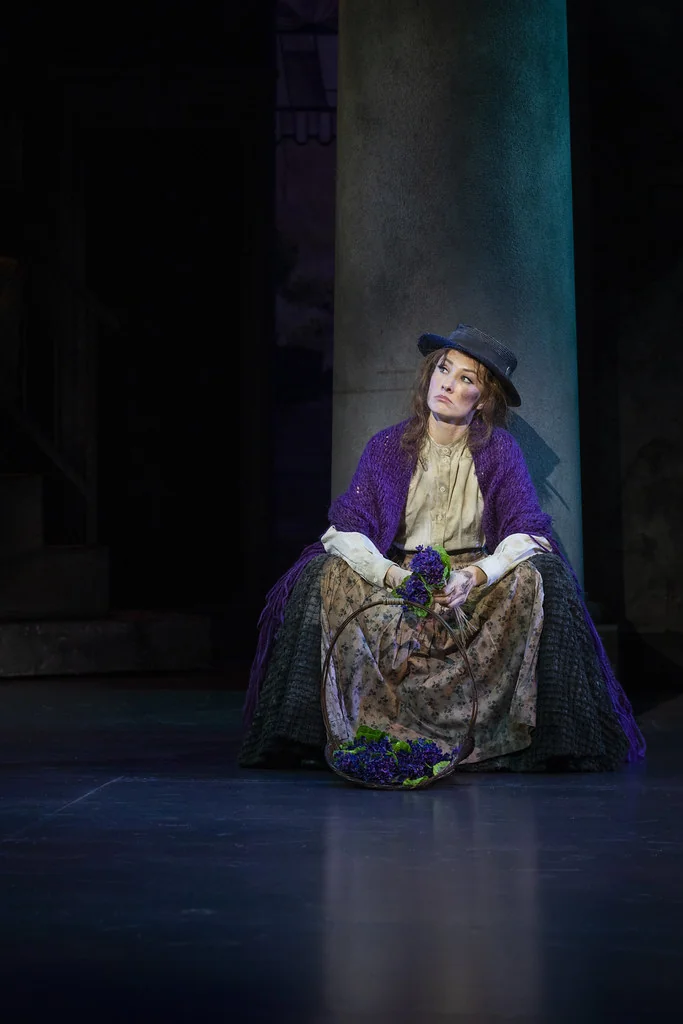
Based on George Bernard Shaw’s Pygmalion, with a book and lyrics by Alan Jay Lerner and music by Frederick Loewe, My Fair Lady tells the story of Eliza Doolittle, a Cockney flower seller whose life changes after an encounter with Professor Henry Higgins.
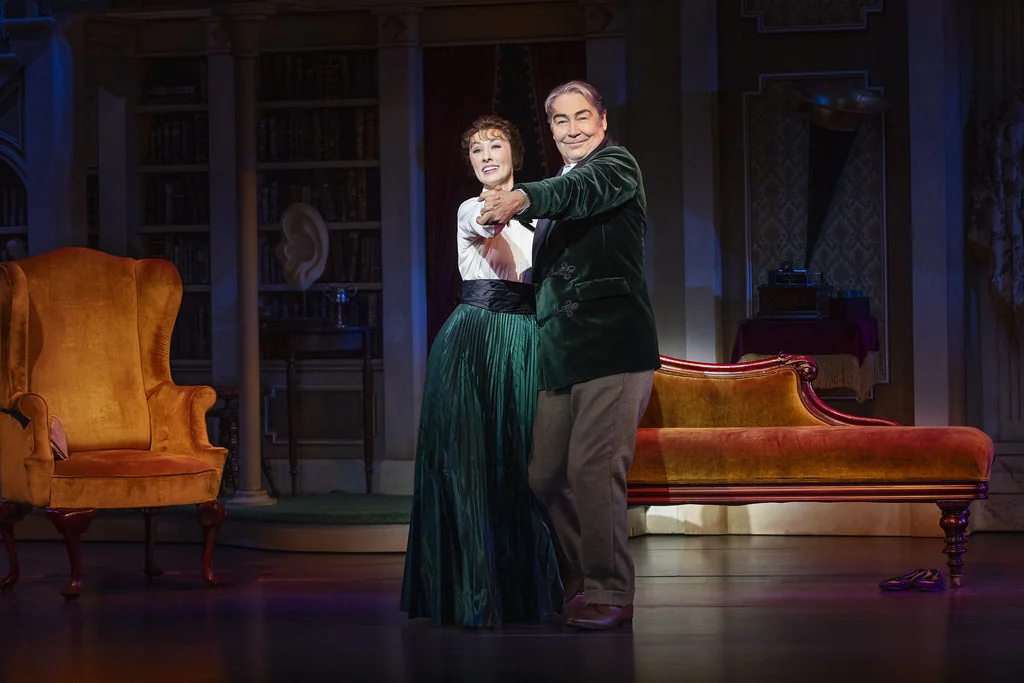
Higgins, an expert in phonetics, believes he can transform Eliza’s speech so completely that she could pass for a duchess in high society.
What begins as an experiment in pronunciation soon becomes something far more complicated.
Eliza learns to speak differently, dress elegantly and navigate a world that once looked down on her. But the more she changes, the more the musical invites us to question what transformation really means.
Is Eliza becoming a different person?
Or is she simply discovering that she deserved respect all along?
For me, this is where the true beauty of My Fair Lady lies.
From Broadway to Hollywood: Two Unforgettable Elizas
When My Fair Lady opened on Broadway on 15 March 1956, Julie Andrews stepped into the role of Eliza Doolittle opposite Rex Harrison as Professor Higgins.
The production became an extraordinary success, running for 2,717 performances and winning the 1957 Tony Award for Best Musical.
Julie Andrews brought a remarkable combination of charm, humour and vocal brilliance to Eliza, helping create a character who would become part of musical-theatre history.
Then Hollywood came calling.
The 1964 film adaptation introduced My Fair Lady to an even wider audience, with Audrey Hepburn taking over the role of Eliza and Rex Harrison returning as Higgins.
The film won eight Academy Awards, including Best Picture.
But behind its success lies one of the most fascinating stories in Hollywood musical history.
Although Hepburn recorded her own vocals during production, most of her singing in the completed film was performed by Marni Nixon, whose voice had already become an important part of several celebrated Hollywood musicals.
Some of Hepburn’s original vocal performances remained in the film, but Nixon provided the majority of Eliza’s singing.
I find this story particularly interesting because it reminds us how many artists can contribute to a single unforgettable screen performance.
And there is another remarkable connection.
While Hepburn was bringing Eliza to cinema audiences, Julie Andrews was finding a new kind of stardom with Disney’s Mary Poppins, also released in 1964.
Her performance earned her the Academy Award for Best Actress in 1965.
Two extraordinary performers. Two very different interpretations of a defining moment in musical and film history.
Both left a lasting impression.
The Songs That Never Grow Old
Of course, it would be impossible to celebrate My Fair Lady without celebrating its music.
Few musicals have given us quite so many songs that feel instantly familiar.
There is the delightful optimism of Wouldn’t It Be Loverly?, the exhilaration of I Could Have Danced All Night and the romantic longing of On the Street Where You Live.
Then there is the glorious chaos of Get Me to the Church on Time, the triumph of The Rain in Spain and the bittersweet tenderness of I’ve Grown Accustomed to Her Face.
What I love about these songs is how naturally they bring the characters to life.
They are more than beautiful melodies or memorable show tunes.
Each reveals something about a character’s hopes, frustrations, discoveries or emotions.
And even seventy years later, they retain the power to make audiences smile, dream and occasionally feel a little heartbroken.
That, to me, is the magic of a truly great musical score.
Why Eliza Doolittle Still Matters
The older I get, the more I appreciate that Eliza’s story is not simply about learning to speak differently or becoming comfortable in an elegant dress.
It is about identity.
Higgins teaches Eliza how to fit into a society that judges people by their accents, manners and social backgrounds.
But who gave that society the authority to decide her worth?
Eliza may learn the rules of high society, yet one of the most important parts of her journey is discovering that she has a voice of her own.
And that voice deserves to be heard.
I find the relationship between Eliza and Higgins particularly compelling because it is not always comfortable. His confidence in his own abilities often leaves little room for her feelings or independence.
Yet Eliza gradually begins to challenge the way he treats her.
The transformation is no longer simply about what Higgins can teach.
It becomes about what Eliza wants for herself.
That is why I believe My Fair Lady continues to resonate with modern audiences.
Its questions about class, gender, language and power are hardly confined to Edwardian London.
We still make assumptions about people based on how they speak, where they come from and whether they fit our expectations.
Eliza’s story reminds me that changing how others see us should never require us to forget who we are.
Seventy Years Later: My Fair Lady in 2026
In 2026, My Fair Lady celebrates seventy years since its Broadway premiere, and the musical continues to find new life on stages around the world.
At the Sydney Opera House, a special anniversary season ran from 16 to 31 October, bringing the story to Australian audiences in a production based on the 2016 staging directed by Julie Andrews herself.
There is something especially meaningful about that connection.
The performer who first brought Eliza to life on Broadway later returned to the musical as a director, helping introduce its world to another generation.
Meanwhile, Scotland’s Pitlochry Festival Theatre is preparing its own production, running from 21 November to 31 December 2026.
Directed by Maria Friedman, it will feature Alan Cumming as Professor Henry Higgins and Verity Power as Eliza Doolittle.
It is wonderful to see how a musical with such a rich history continues to inspire new interpretations.
Different performers, different stages and different generations of audiences.
Yet the central questions remain.
What does it mean to belong? How much should we change to be accepted? And who has the right to tell us who we ought to become?
A Musical Legend That Still Has Something to Say
When I think about the lasting appeal of My Fair Lady, I think of Julie Andrews, Audrey Hepburn and those unforgettable Lerner and Loewe melodies.
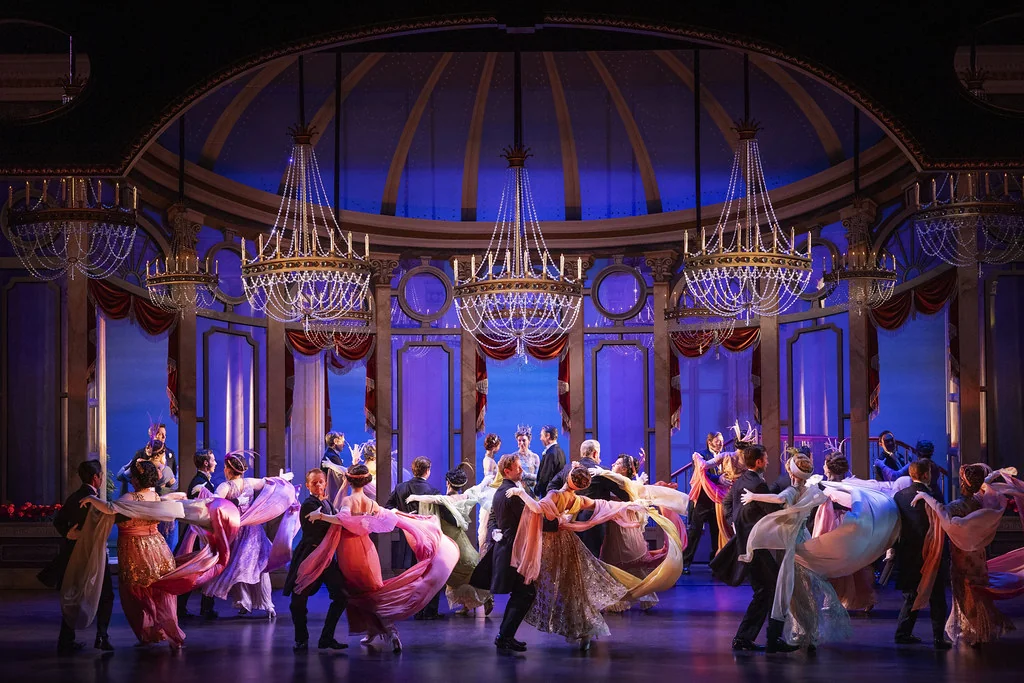
I think of the magnificent costumes, the elegant ballrooms and the humour that makes the musical such a joy to experience.
But most of all, I think of Eliza.
A young woman who enters a world determined to tell her how she should speak, behave and present herself.
And who gradually discovers that her own voice matters more than anyone else’s expectations.
Seventy years after its Broadway debut, My Fair Lady remains a reminder that a great musical can be both wonderfully entertaining and unexpectedly thought-provoking.
Because becoming a lady was never really the most important part of Eliza’s story. Finding her own voice was.
Photo gallery