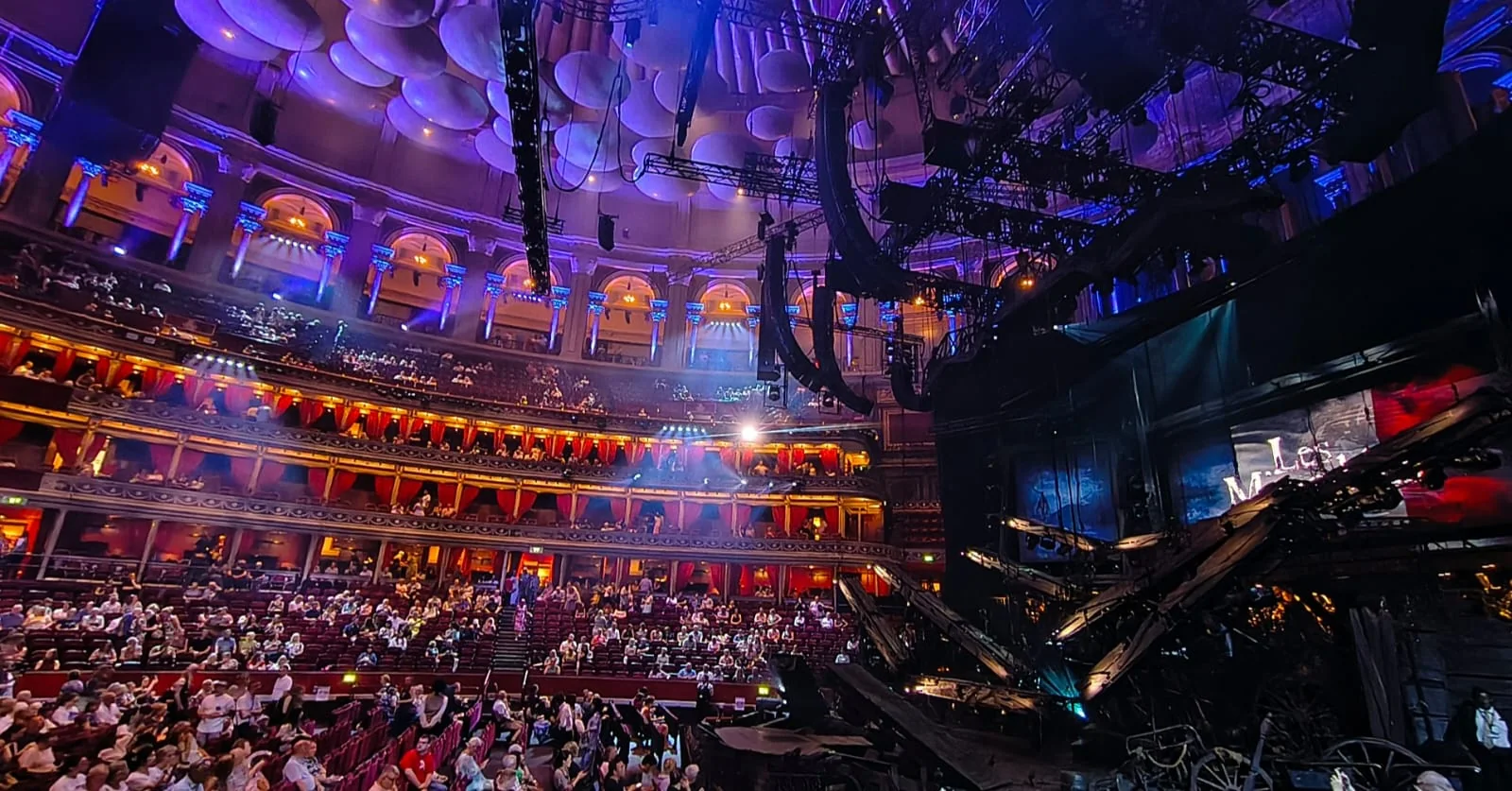

Les Misérables: The Arena Spectacular — A Celebration of 40 Years of Musical Theatre Magic
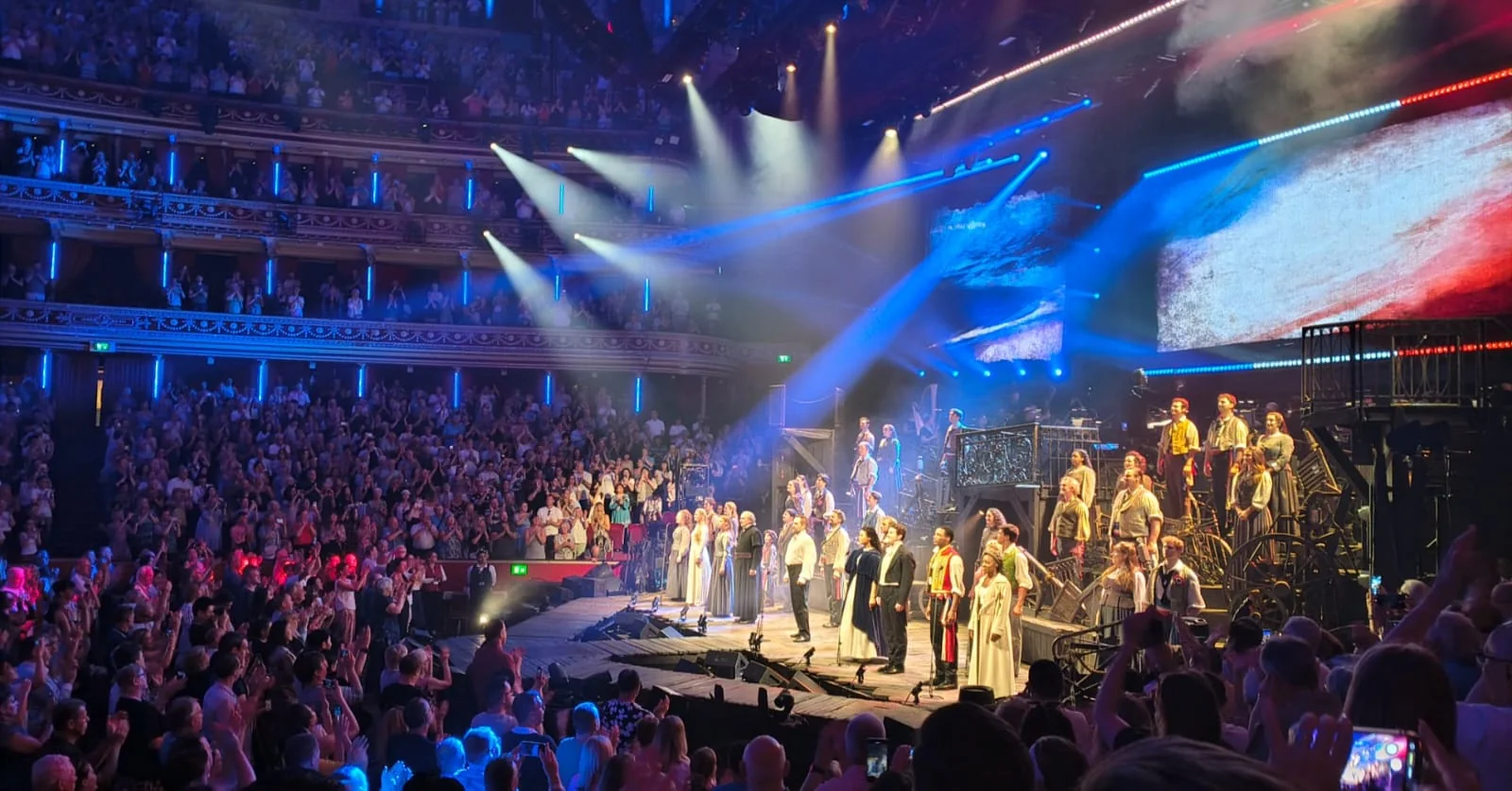
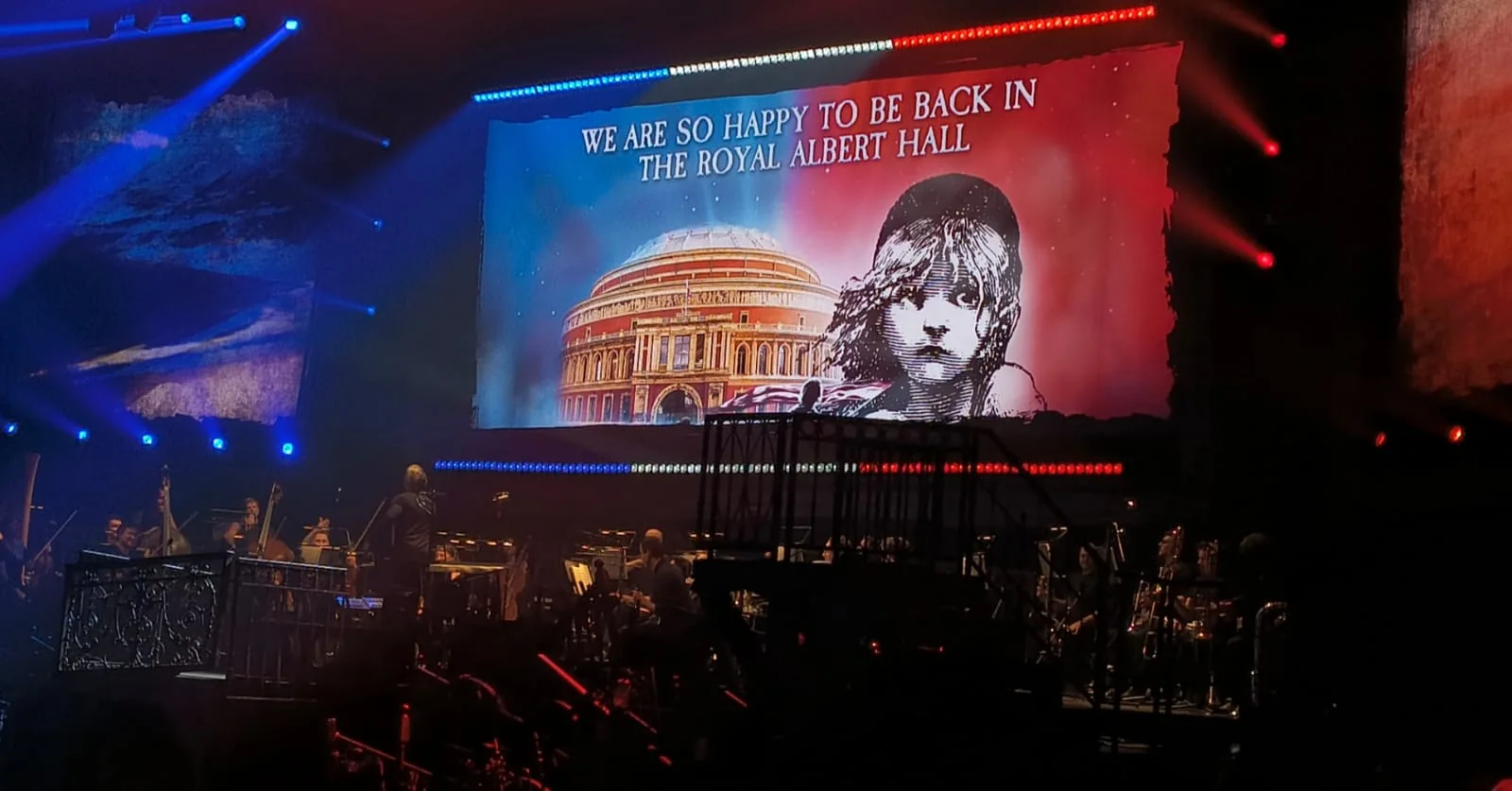
The special performance of Les Misérables: The Arena Spectacular, marking the end of the 40th anniversary celebrations, brought one chapter to a close.
Originally created in French, Les Misérables began its journey as a French musical by composer Claude-Michel Schönberg and lyricist Alain Boublil, inspired by the great novel by Victor Hugo. It later became an international phenomenon, with English lyrics by Herbert Kretzmer, and grew into one of the most influential and beloved musicals in theatre history. Since opening in London in 1985, Les Misérables has become the longest-running musical in West End history. More than four decades later, this extraordinary story continues to move audiences around the world, proving that its themes of love, sacrifice, redemption, and hope are truly timeless.
As someone who has always felt that live theatre is more than entertainment, Les Misérables has a very special place in my heart. This musical has accompanied generations of theatre lovers with its unforgettable story of love, sacrifice, injustice, redemption, and hope.
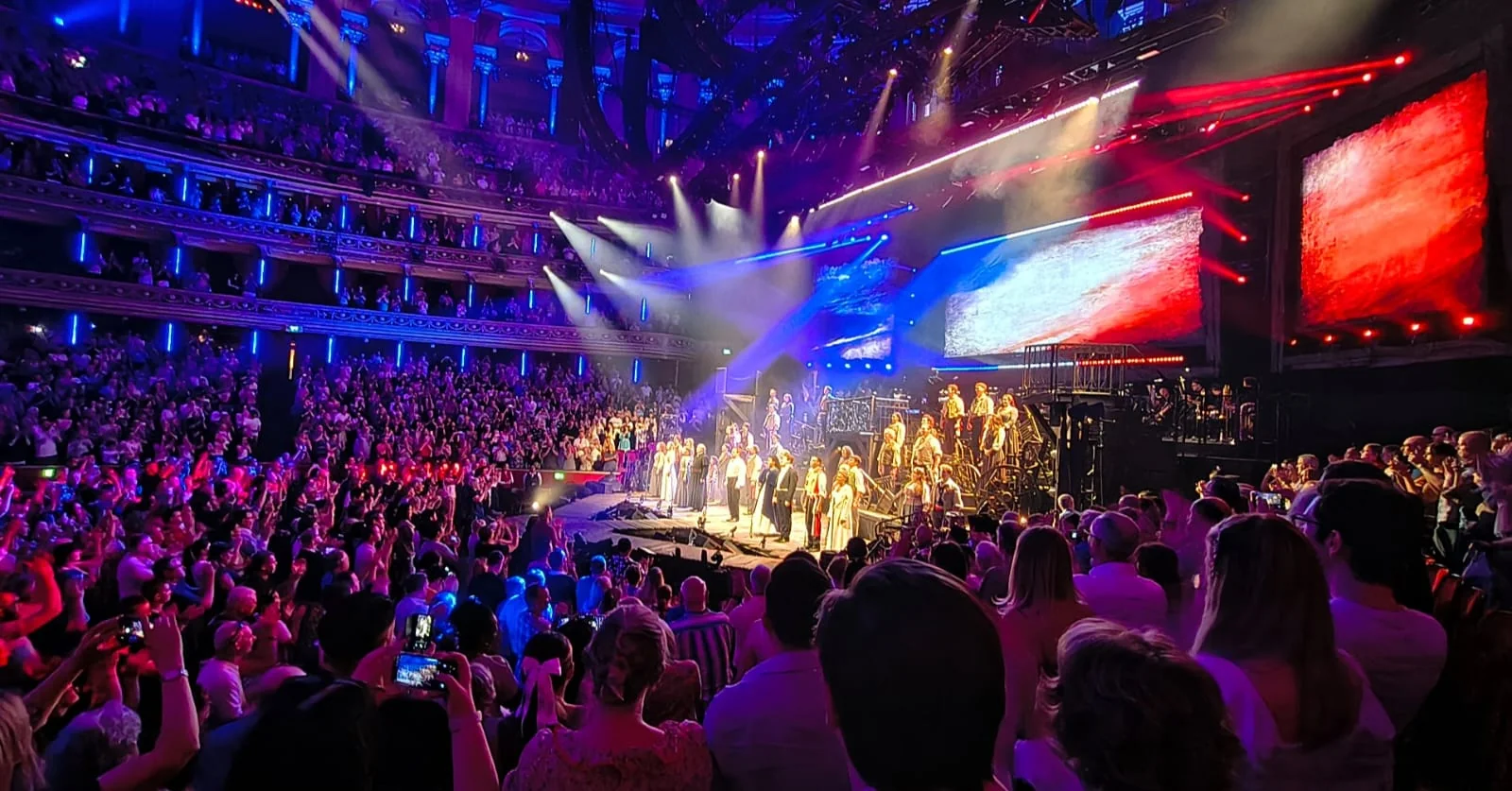
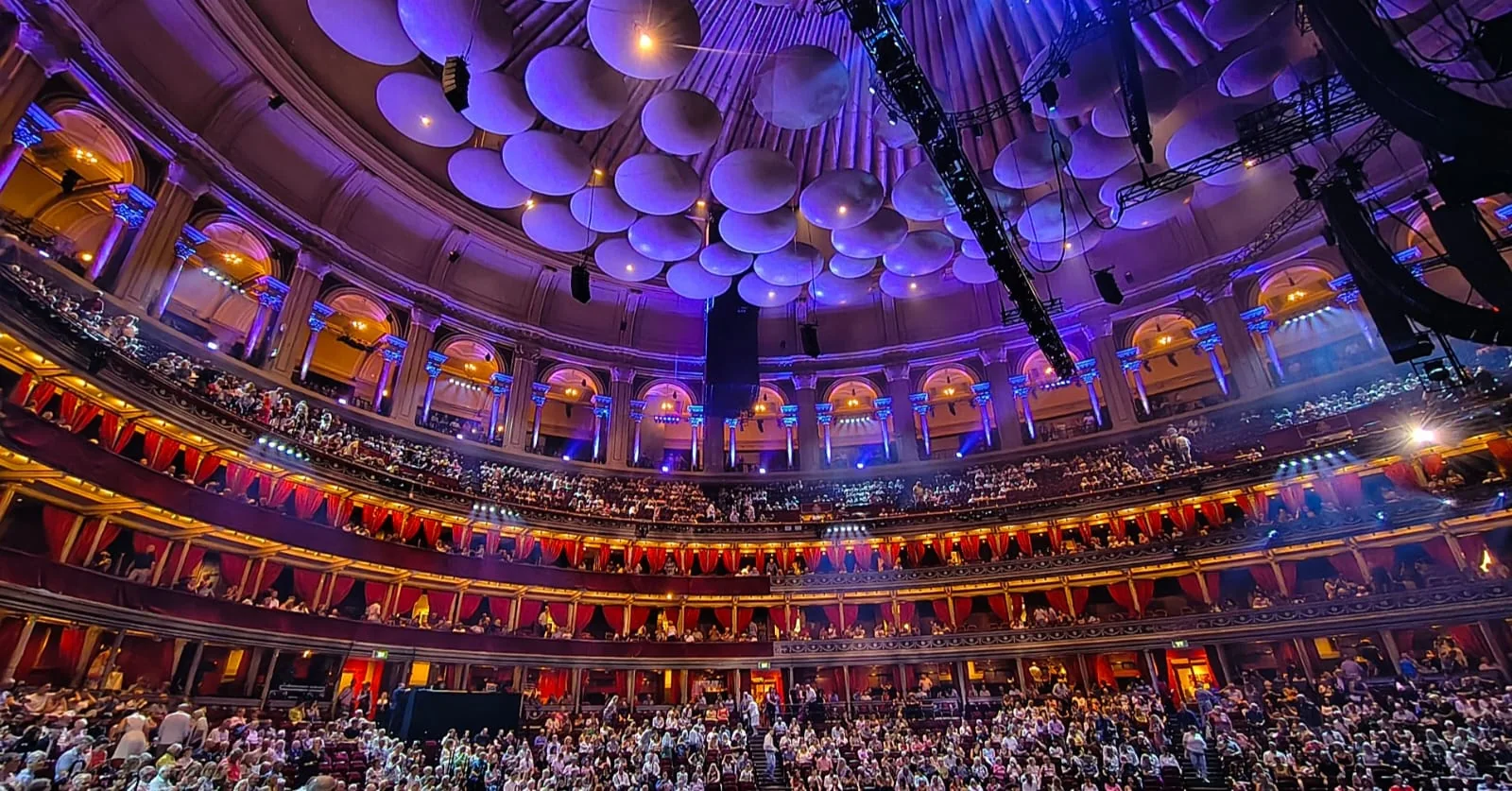
The Arena Spectacular transformed the show into something truly extraordinary. With its huge orchestra, breathtaking scale, and the feeling of thousands of people experiencing every emotion together, it became a celebration not only of Les Misérables, but of the power of musical theatre itself.
At the centre of this unforgettable evening was Alfie Boe as Jean Valjean. His years of experience in both opera and musical theatre were evident in every note, but what touched me most was the humanity he brought to the role. His “Bring Him Home” was a moment of complete stillness, a voice filling the arena, yet somehow making the emotion feel incredibly personal. (My favourite contemporary Jean Valjean is Ian McIntosh, but he deserves another post.) This was Alfie Boe’s last time as Jean Valjean, and Alfie and his fans were tearful.
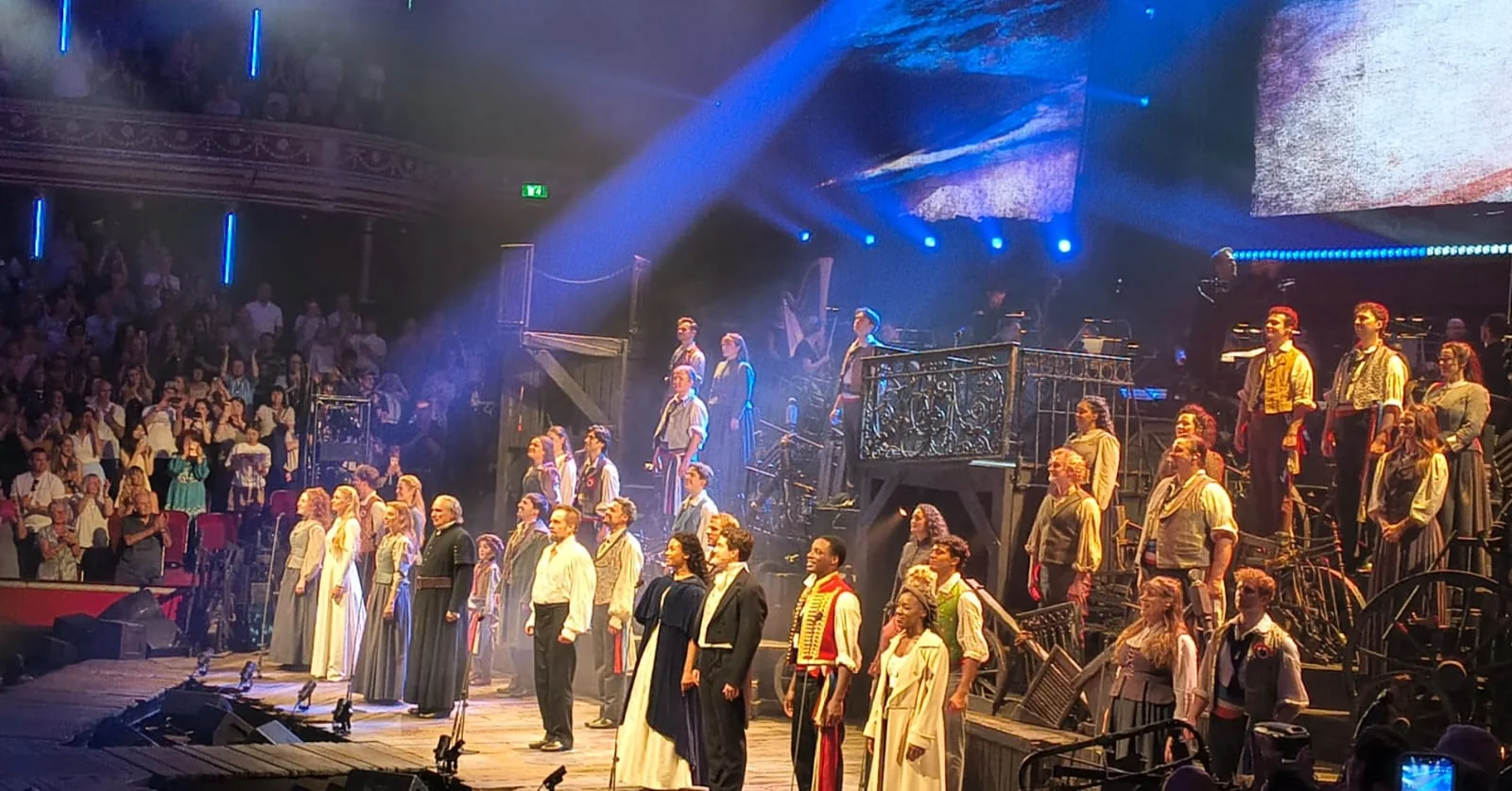
The rest of the cast brought their own magic to this iconic story: Bradley Jaden as the relentless Javert, Samantha Barks as the heartbreaking Fantine, Matt Lucas and Marina Prior bringing humour and energy as the Thénardiers, alongside Jac Yarrow as Marius, Beatrice Penny-Touré as Cosette, Shan Ako as Éponine, and Christian Mark Gibbs as Enjolras.
What makes Les Misérables timeless is that beneath the grand melodies and spectacular staging, it remains a deeply human story. After 40 years, its message still reaches audiences through compassion, courage, and the belief that people can change.
This was a beautiful celebration of everything this masterpiece has given to the world, as well as Alfie Boe’s final performance as Jean Valjean.
A truly unforgettable night of musical theatre. ❤️
Interesting Facts About Les Misérables
- Les Misérables began as a French concept album in 1980 before becoming the world-famous musical we know today.
- It is based on Les Misérables by Victor Hugo, a powerful story about love, justice, sacrifice and redemption.
- The London production opened in 1985 and became one of the longest-running musicals in West End history.
- Unlike many traditional musicals with lots of spoken dialogue, Les Misérables is almost entirely sung-through, meaning the story moves mainly through music.
- “One Day More” and “Bring Him Home” became some of the most iconic songs in musical theatre history.
- Colm Wilkinson created the role of Jean Valjean and helped define the character for generations of performers. (He also appeared in the Les Misérables film with Russell Crowe and Hugh Jackman. Can you spot him?)
- The famous barricade scenes are inspired by the real June Rebellion, blending history with a deeply emotional human story.
- It changed the way people thought about musicals. Les Misérables helped popularise the idea of the “mega-musical” — large-scale productions with cinematic storytelling, sweeping scores and dramatic staging.
- The role of Jean Valjean is one of musical theatre’s ultimate challenges. It requires a performer to portray decades of a man’s life, from prisoner to compassionate protector, with demanding songs such as “Bring Him Home.”
- The famous revolving stage was revolutionary. The original production used a rotating stage design that allowed scenes to flow seamlessly between locations, especially during the battle scenes and the Paris streets.
Photo gallery