
Mamma Mia!: From ABBA to the West End
How a first encounter with Mamma Mia! in Turkey grew into a lasting connection with its music, its characters and the story behind one of the world's best-known musicals.
I first discovered Mamma Mia! many years ago, when I saw a touring production. I still remember the energy of the show and, above all, the music. ABBA's songs were already so familiar to me that I immediately connected with the show.
At the time, I was mainly captivated by the music, the comedy, the colourful atmosphere and the sheer joy of seeing those famous songs brought to life on stage. But as the years have passed, I have started to appreciate Mamma Mia! differently.
What once felt like a wonderfully entertaining ABBA musical now feels to me like something more personal: a story about motherhood, growing up, friendship, love, independence and the complicated choices we make in life.
My First Mamma Mia!
My first experience of Mamma Mia! was in Turkey, with a touring production. I don't remember every detail of that production anymore, but I remember the feeling it gave me.
That is one of the things I love about musical theatre. Sometimes we don't remember every costume, line or staging choice years later. What stays with us is a feeling, a song, a moment, or the excitement of sitting in an audience and watching a story unfold in front of us.
For me, Mamma Mia! became one of those memories.
And now there is another chapter I am looking forward to: seeing the West End production for myself with my daughter who loves ABBA.
The Story Behind the Songs
One of the most fascinating things about Mamma Mia! is that it wasn't created in the traditional way. Instead of a composer writing an original score for a new story, the musical was built around the existing catalogue of ABBA.
Judy Craymer developed the idea, Catherine Johnson wrote the book and Phyllida Lloyd directed the original stage production.
The result is a story that gives familiar songs a completely new emotional context.
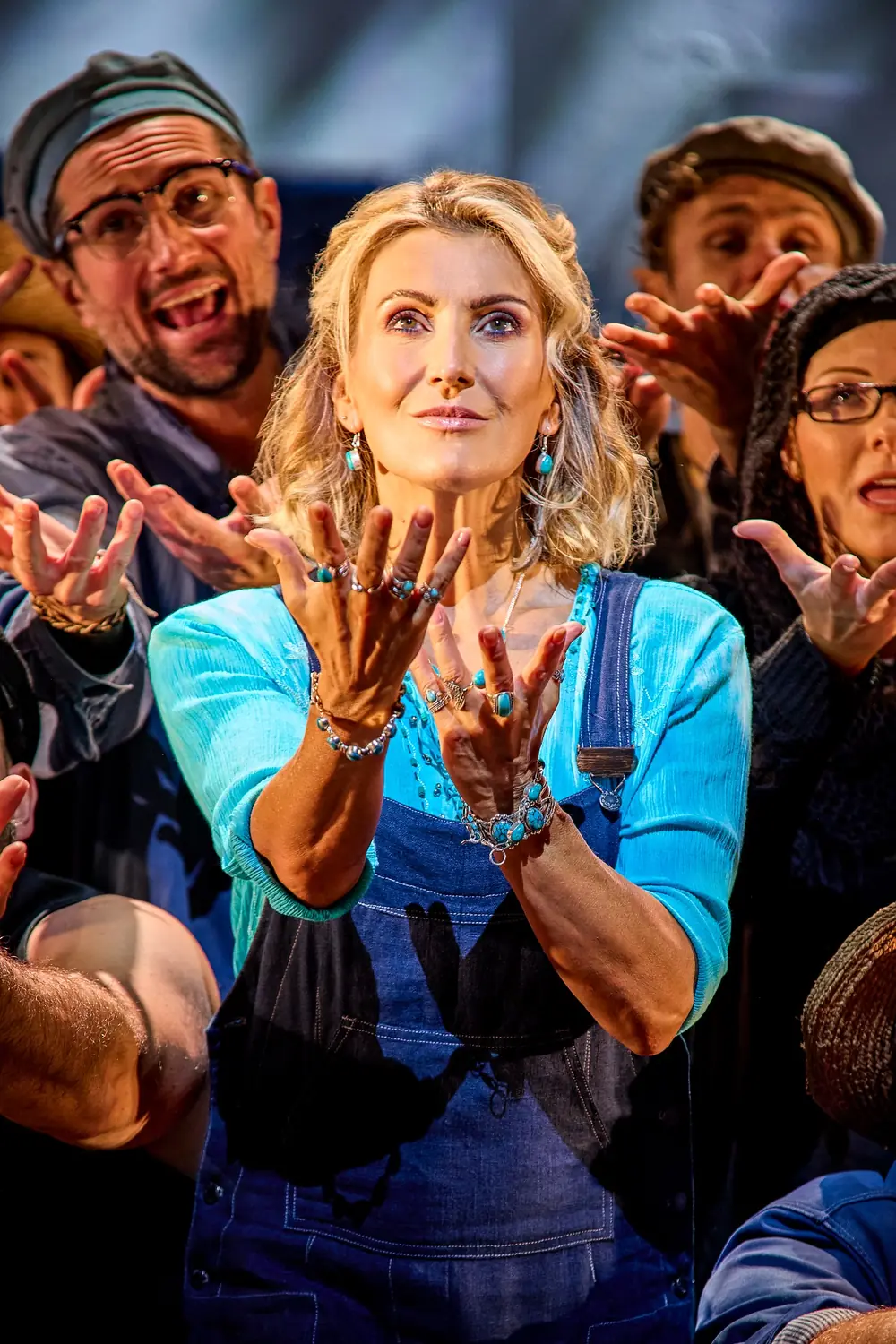
“The Winner Takes It All” is perhaps the clearest example. As an ABBA song, it already carries enormous emotional weight. Within Mamma Mia!, however, it becomes part of Donna's personal story and her complicated relationship with Sam.
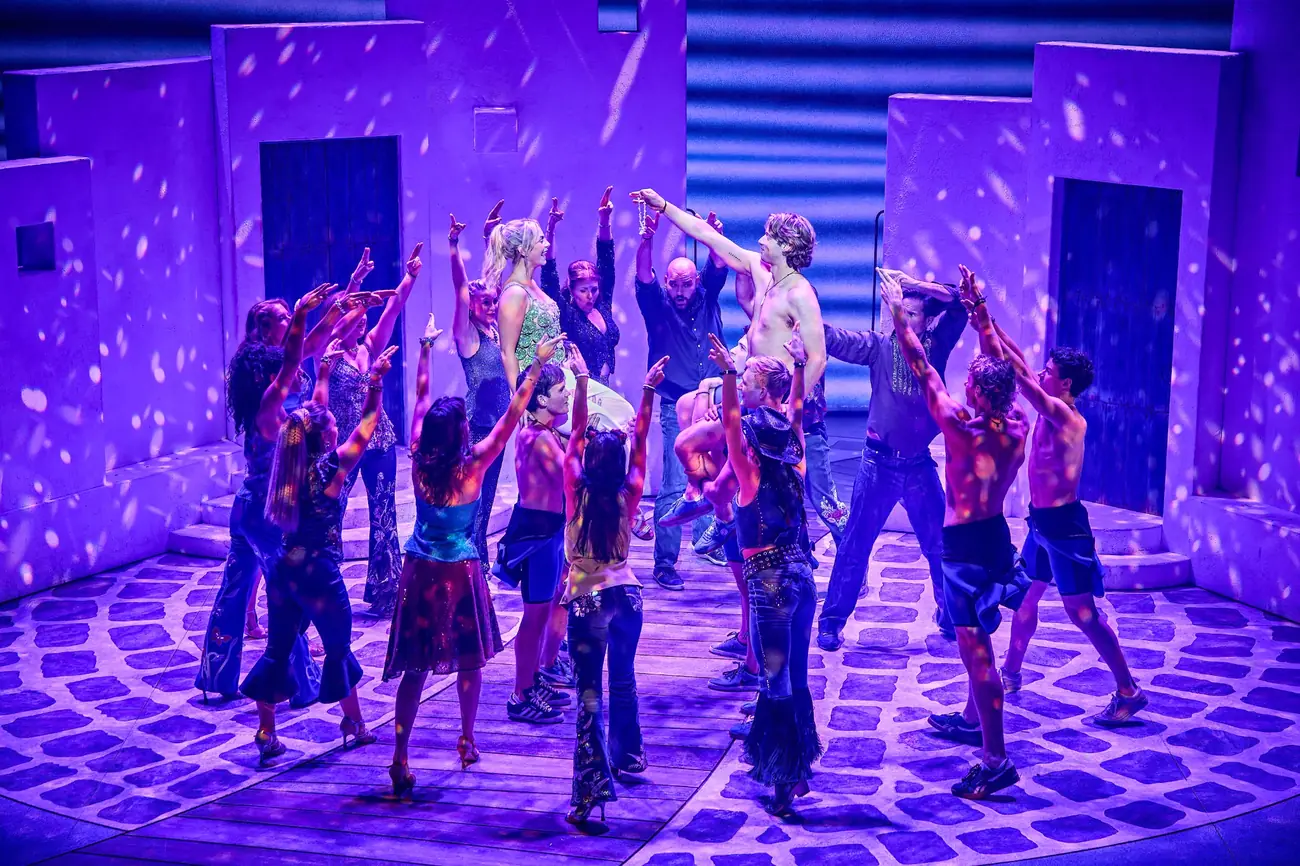
And then there is “Dancing Queen” — a song that seems almost impossible to hear without wanting to dance along.
That combination of nostalgia and storytelling is a huge part of the musical's appeal.
ABBA and a Remarkable Coincidence
There is also a wonderful coincidence in the history of ABBA and Mamma Mia!.
ABBA won the Eurovision Song Contest with “Waterloo” in Brighton on 6 April 1974.
Exactly 25 years later, on 6 April 1999, Mamma Mia! opened in London's West End.
I love that connection between the group and the musical that would eventually introduce their music to generations who had not experienced ABBA the first time around.
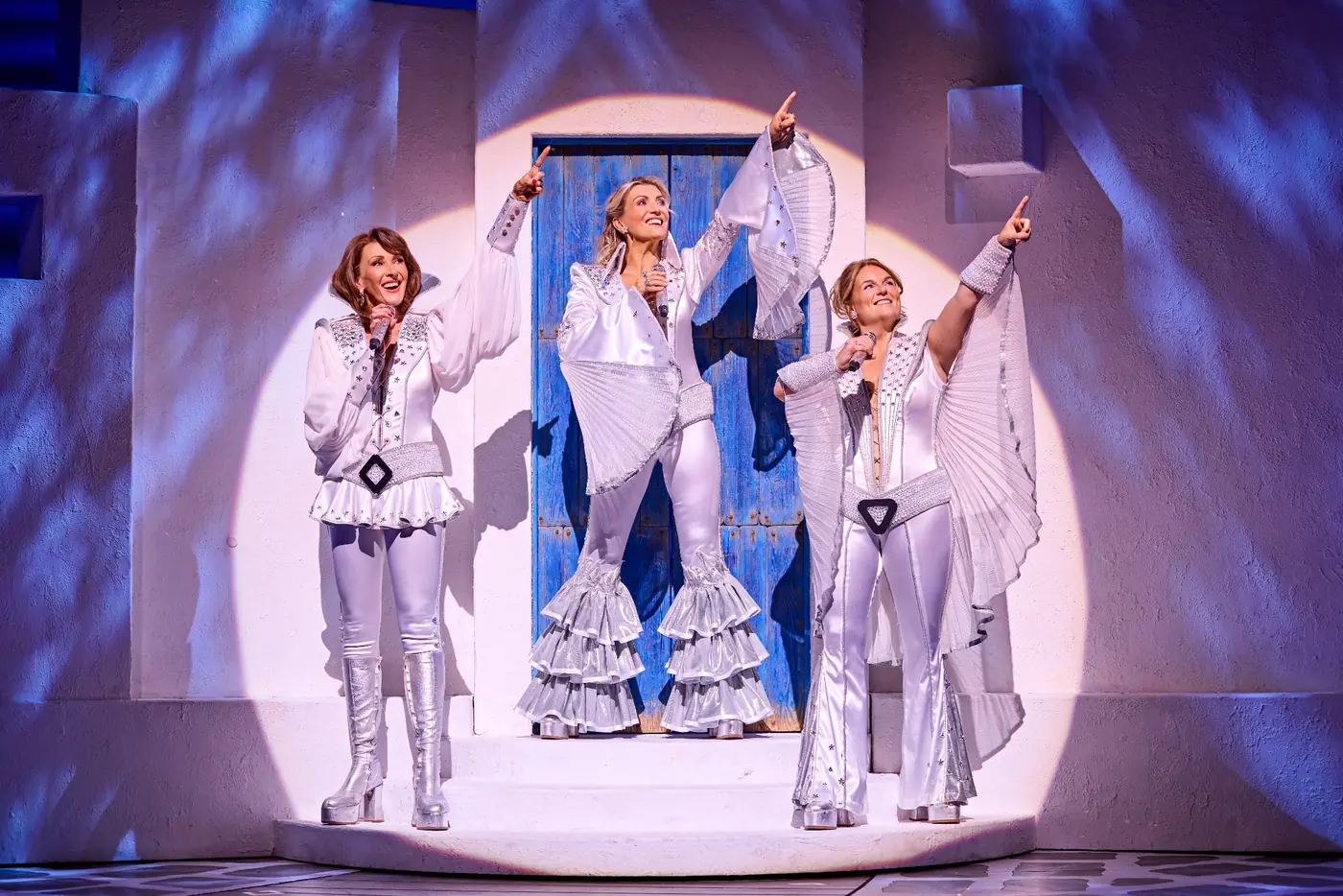
The name ABBA itself comes from the initials of the four members' first names: Agnetha, Björn, Benny and Anni-Frid.
From the Stage to the Screen
Like millions of people, I also know Mamma Mia! through the films.
The 2008 movie brought together an extraordinary cast including Meryl Streep, Amanda Seyfried, Pierce Brosnan, Colin Firth, Stellan Skarsgård and Julie Walters. It introduced the story and ABBA's music to an enormous international audience.
Then came Mamma Mia! Here We Go Again in 2018, which moves between Sophie's present and Donna's younger years, with Lily James playing young Donna and Cher joining the cast.
But despite the popularity of the films, I still have a special affection for the stage musical.
There is something about musical theatre that cinema cannot completely reproduce: the shared experience of an audience hearing a song together, laughing together and reacting to the performers in real time.
That is what makes me especially curious to see the West End production.
Finally, the West End
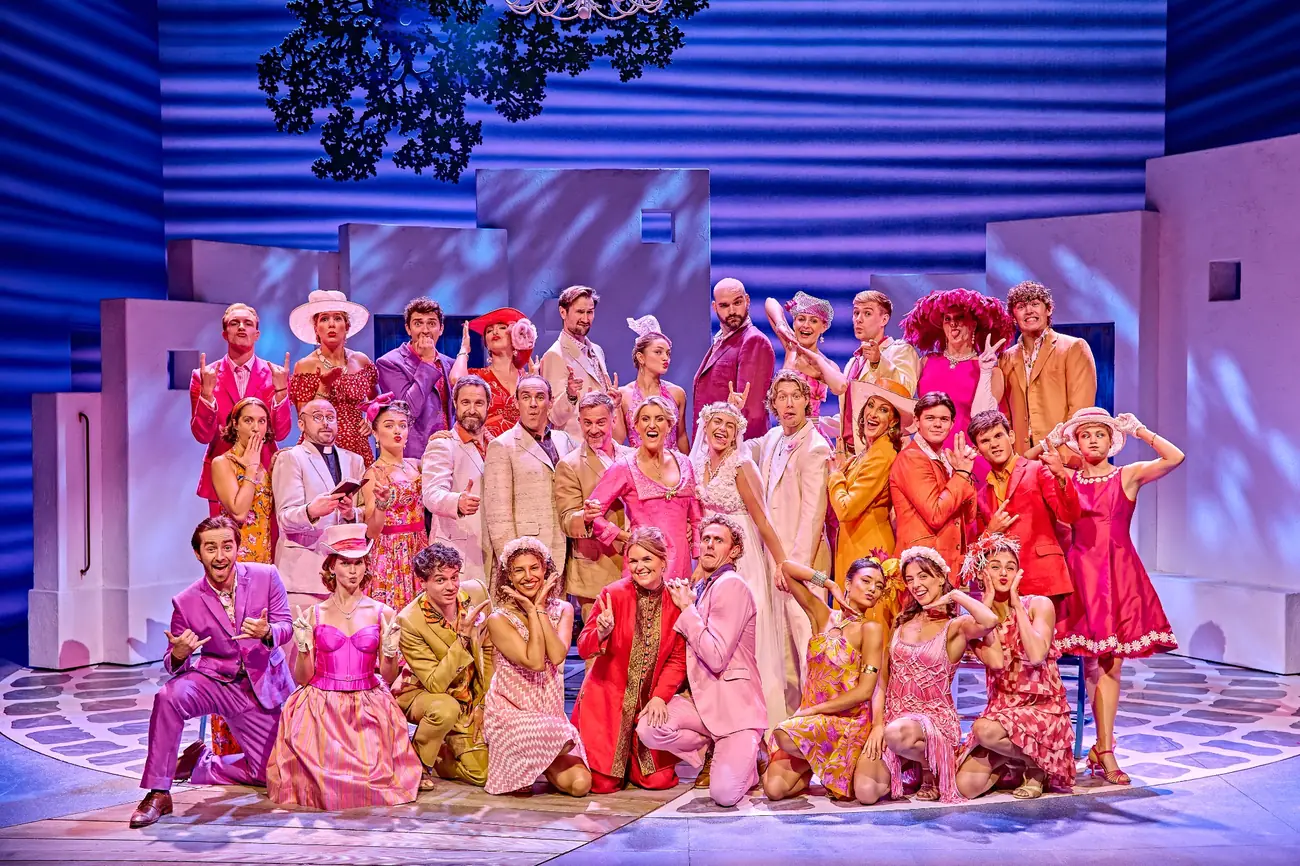
Mamma Mia! opened in London's West End on 6 April 1999, transferred to the Prince of Wales Theatre in 2004 and moved to the Novello Theatre in 2012. In 2024, the production celebrated its 25th anniversary.
That longevity says something about the extraordinary connection audiences have with this musical.
I haven't seen the West End production yet, but it is something I am planning to do. Having first encountered Mamma Mia! in Turkey many years ago, seeing it in London feels like a natural continuation of my own relationship with the show.
I am particularly curious to see how it will feel to watch the musical in the city where its West End journey began and to experience those songs live again.
Perhaps I will notice completely different things now.
I know I will still enjoy the humour and energy. But I suspect that, this time, I will be paying much more attention to Donna and Sophie, and to the emotional story underneath all the glitter, dancing and wedding preparations.
And maybe that is one of the greatest strengths of Mamma Mia!: the fact that we can return to it at different stages of our lives and discover something new in a story we thought we already knew.
I am looking forward to discovering what Mamma Mia! will mean to me when I finally see it in London's West End.
Mamma Mia! is currently playing at the Novello Theatre in London's West End.
Photo gallery