
Evita: From Madonna to Rachel Zegler
How Andrew Lloyd Webber and Tim Rice's musical has kept reinventing Eva Perón — from its concept album and the 1996 film to Jamie Lloyd's striking London Palladium revival.
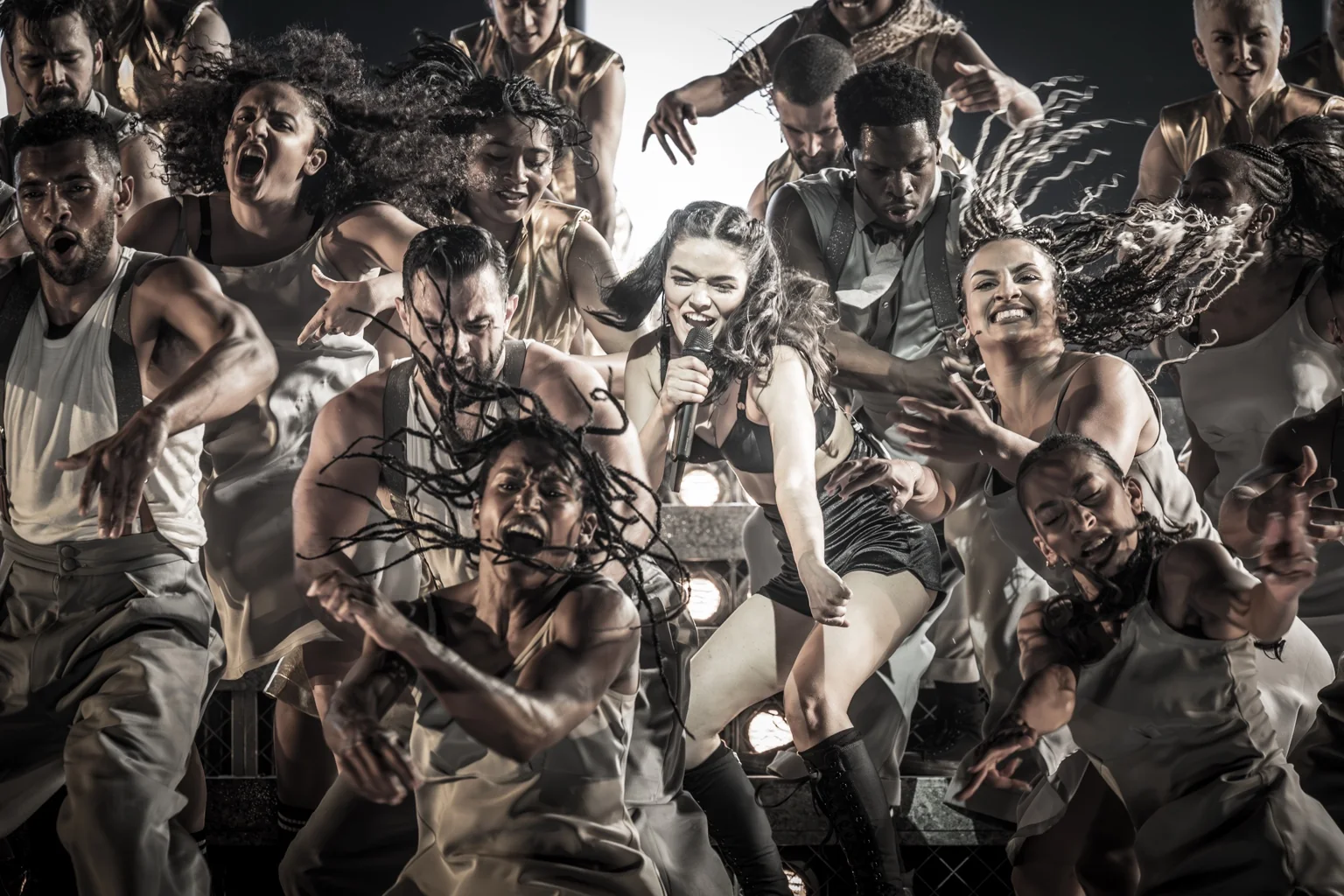
Evita tells a highly theatricalised version of Eva Perón's rise, following her from an ambitious young woman in Argentina to her years as the country's First Lady and one of its most prominent public figures.
Created by Andrew Lloyd Webber and Tim Rice, Evita first appeared as a concept album in 1976 before making its stage debut in London's West End in 1978. With its sung-through structure and instantly recognisable score, it became one of Lloyd Webber and Rice's defining collaborations.
From Album to Stage
The Evita album was released in November 1976, with Julie Covington recording the role of Eva. Two years later, the stage production opened at the Prince Edward Theatre, with Elaine Paige in the title role.
From the beginning, the musical combined a dramatic personal story with questions of ambition, celebrity, power and public image — themes that have allowed very different productions and performers to approach Eva in very different ways.
That ability to be reinterpreted is one of the things that has kept Evita so fascinating.
Madonna and the Film
The musical became even more widely known through Alan Parker's 1996 film, starring Madonna as Eva Perón, Antonio Banderas as Che and Jonathan Pryce as Juan Perón.
Madonna's casting attracted controversy long before the film reached cinemas, particularly in Argentina, where Eva remained a deeply significant political and cultural figure. Some Peronist groups opposed the production, and hostile graffiti directed at Madonna and Parker appeared around Buenos Aires.
Madonna took the preparation seriously. During her time in Argentina, she met people who had known Eva and Juan Perón and spent hours asking them about Eva's personality and life.
Her casting also became part of a wider debate around the film. Could one of the world's biggest pop stars take on a role so closely associated with musical-theatre performers such as Elaine Paige and Patti LuPone?
That question was part of what made the film such an event.
Madonna's performance of “Don't Cry for Me Argentina” became one of its defining moments, while “You Must Love Me” — written specifically for the film — went on to win the Academy Award for Best Original Song.
A New Evita at the London Palladium
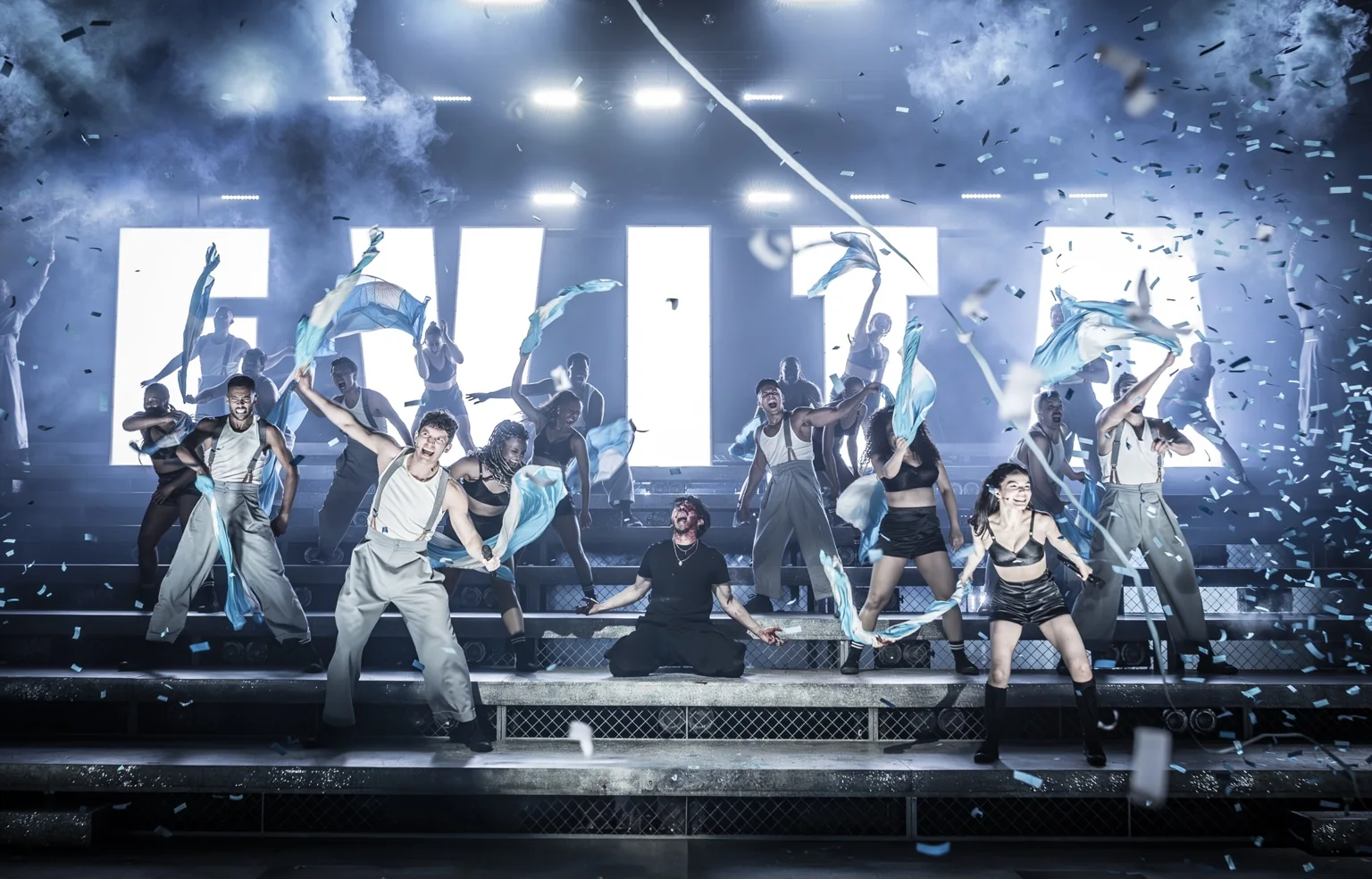
Nearly three decades after the film, Evita returned to London's West End in 2025 in a new production directed by Jamie Lloyd.
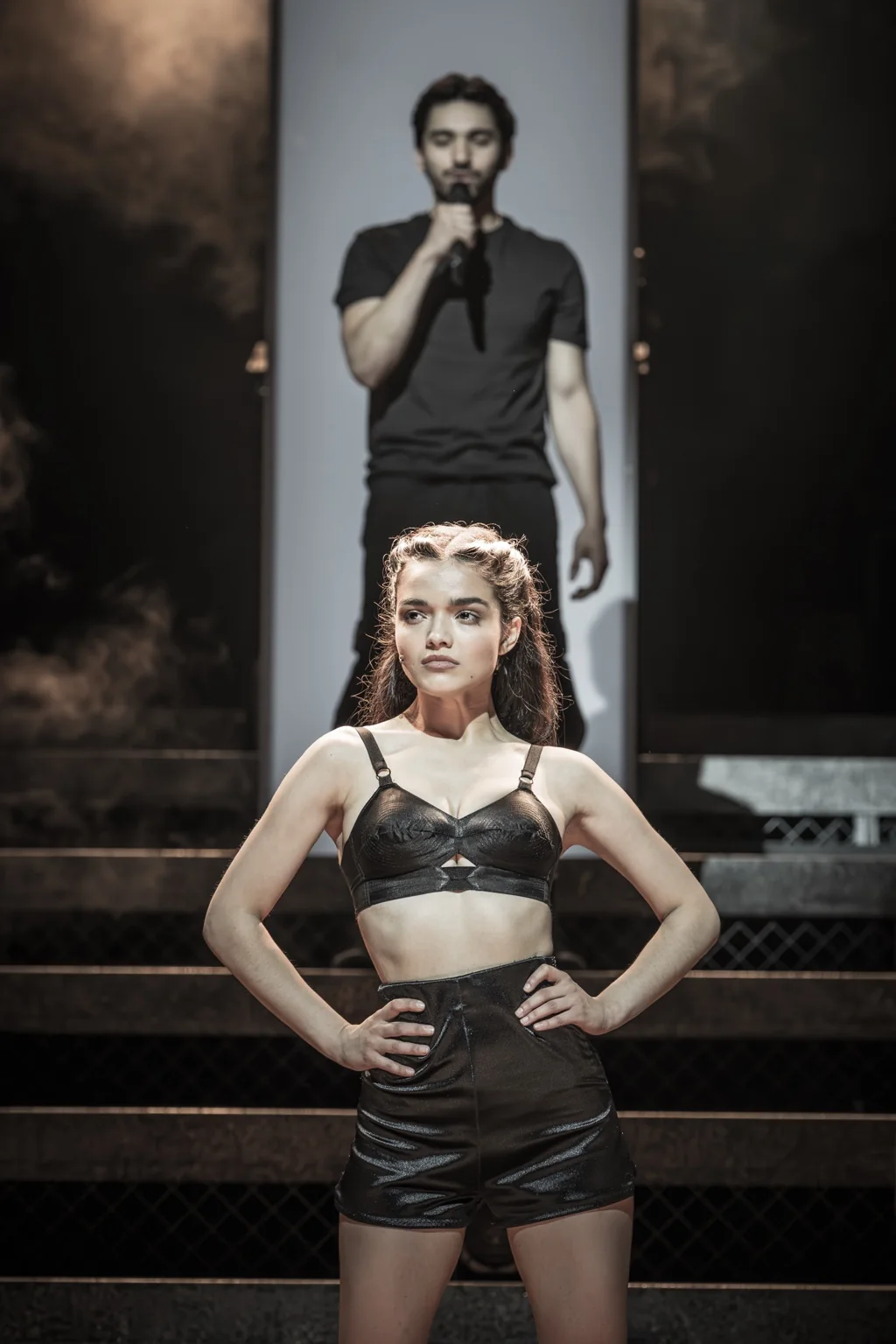
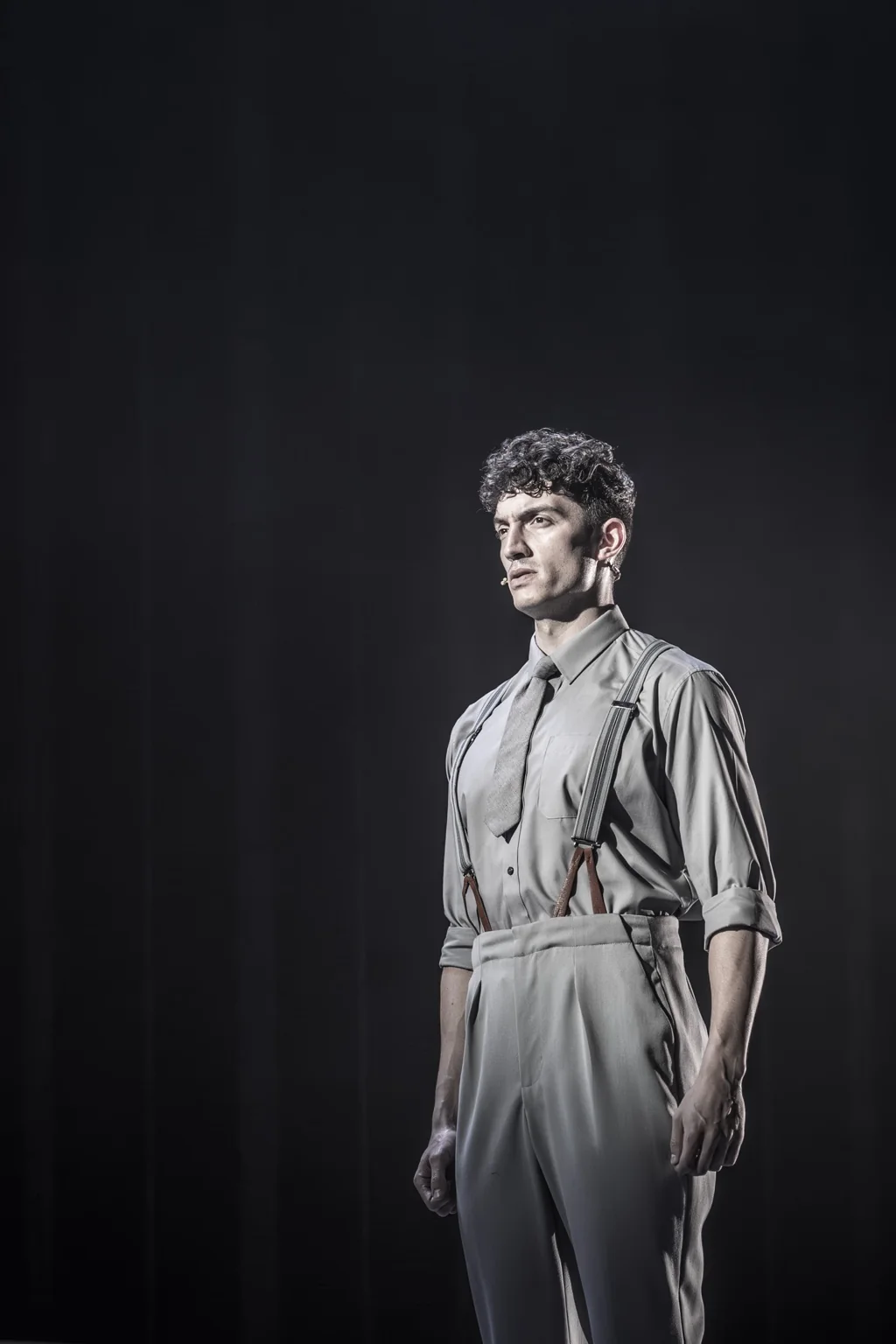
Rachel Zegler played Eva, with Diego Andres Rodriguez as Che and James Olivas as Juan Perón. The production ran at the London Palladium from June to September 2025.
Lloyd's production approached the musical very differently from a traditional period staging.
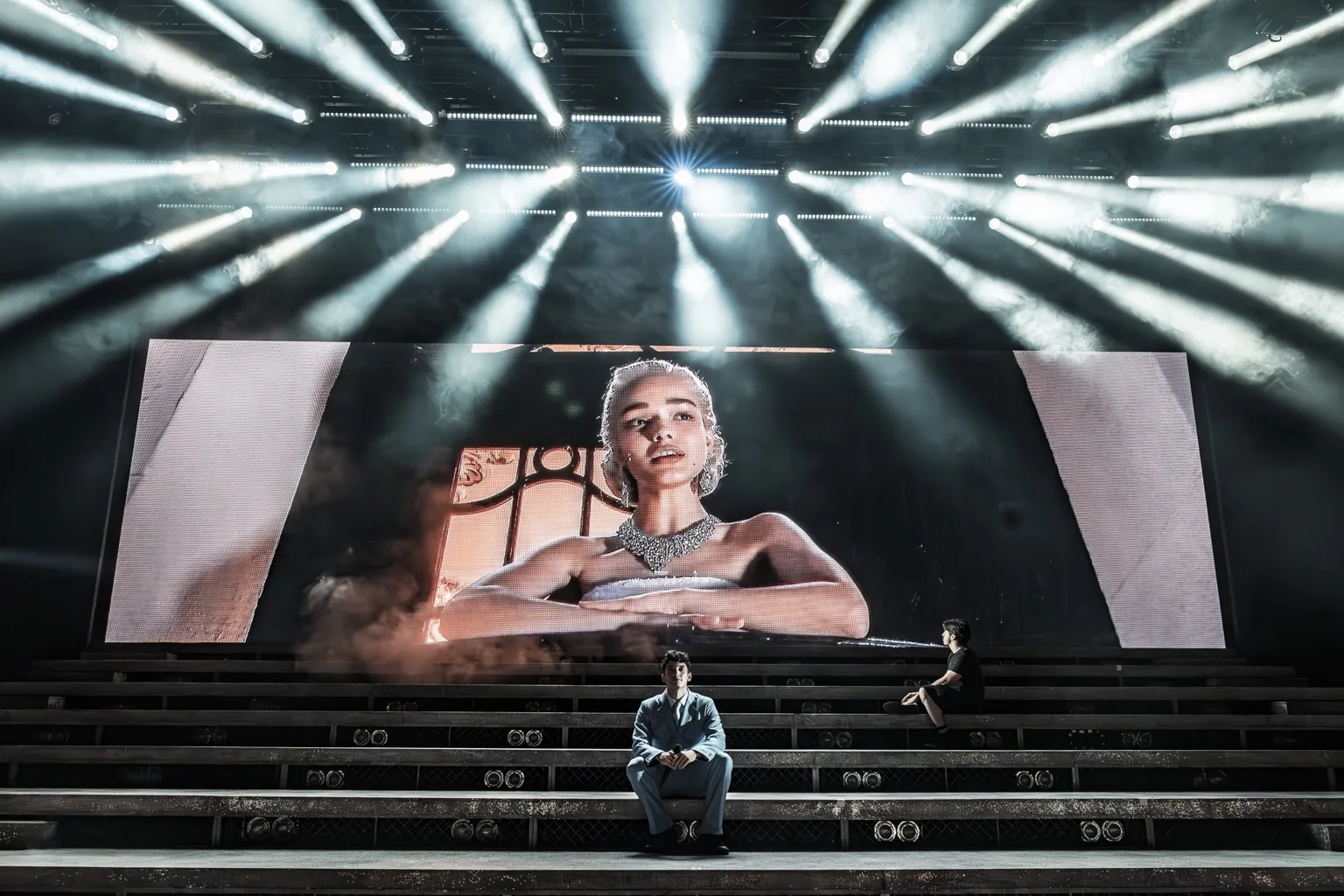
Rather than trying to recreate Argentina of the 1940s and 1950s in detail, the production used stark lighting, powerful choreography, live music, cameras and an atmosphere that often felt closer to a contemporary concert.
The result placed even more emphasis on Eva as a performer and public figure — someone whose image becomes almost as important as the person behind it.
The Balcony Everyone Talked About
The production's most talked-about idea came with “Don't Cry for Me Argentina”.
Instead of performing the song on the Palladium stage, Rachel Zegler stepped onto the theatre's real exterior balcony and sang to the crowds gathered below on Argyll Street.
Inside the theatre, the paying audience watched the performance live on a screen.
It immediately divided theatre-goers.
Some questioned why one of the musical's most famous moments was being performed physically outside the theatre while the audience inside watched a broadcast.
Others found the idea thrilling — and perfectly suited to a musical so concerned with celebrity, political spectacle and the relationship between a public figure and the crowd.
For me, that tension is part of what made the production so interesting.
The Music at the Heart of Evita
Whatever changes from production to production, the score remains at the heart of Evita.
“Buenos Aires”, “Another Suitcase in Another Hall”, “High Flying, Adored” and, of course, “Don't Cry for Me Argentina” demonstrate why Lloyd Webber and Rice's music has remained so recognisable for nearly half a century.
The songs do more than accompany Eva's story. They chart her ambition, her changing public image and the world developing around her.
And every new performer brings something different to them.
Many Different Evas
What I find fascinating is how many different lives Eva has had on stage and screen.
Elaine Paige, Patti LuPone, Madonna and Rachel Zegler have all approached the character differently, while the central story of Evita remains recognisable.
Each interpretation inevitably changes the way we see Eva.
For me, seeing Rachel Zegler bring her to life made Evita feel completely new.
I went in knowing the famous songs and Madonna's iconic film version, but experiencing the story live made me appreciate how much power there is in watching Eva's rise, ambition and transformation unfold directly in front of an audience.
The scale of the Palladium production, the choreography, the lighting and Zegler's performance gave the story an immediacy I had never experienced from the film alone.
And perhaps that is what makes Evita such an enduring musical: every new Eva gives us another way to look at the woman behind the legend.
Jamie Lloyd's production of Evita ran at the London Palladium from 14 June to 6 September 2025.
Photo gallery